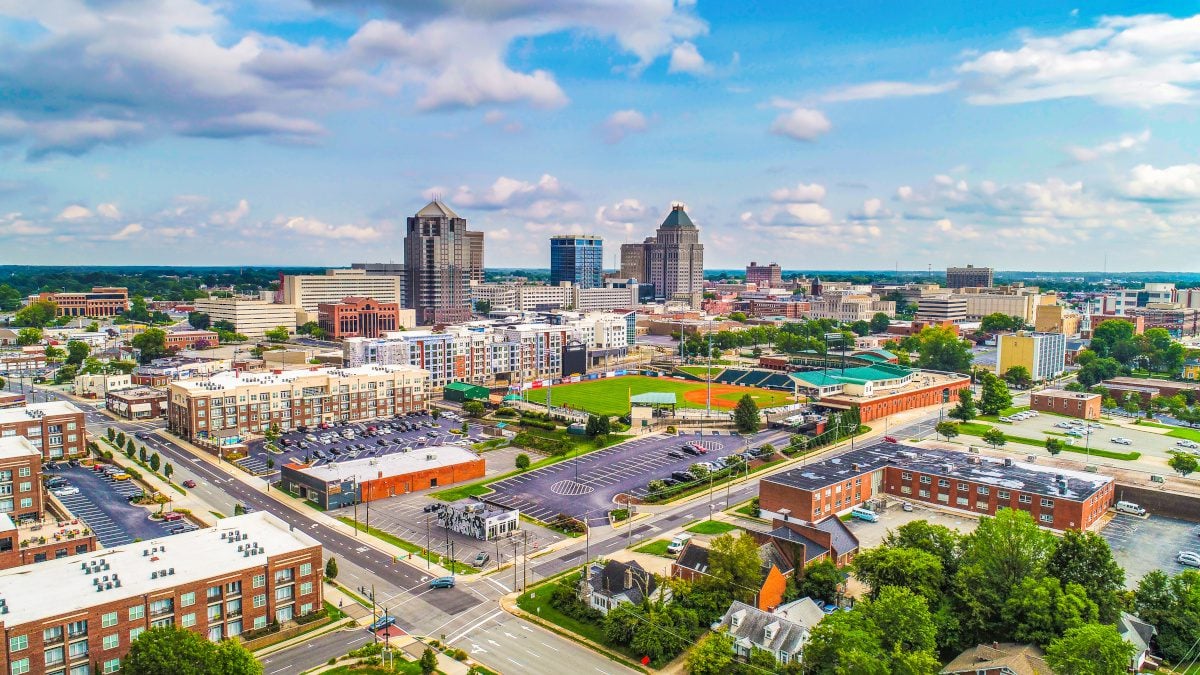
Greensboro is a great place to live, offering a unique blend of Southern charm, rich history, outdoor recreation, and modern amenities at prices more affordable than Charlotte or Raleigh. Whether you're researching neighborhoods before your move or exploring what makes this Triad city special, this comprehensive guide covers the top attractions, cultural destinations, and outdoor spaces that define life in Greensboro, plus essential information about where to live based on your lifestyle priorities.
As local real estate agents will attest, there are plenty of attractive neighborhoods in and around the city to call home, each with its own character and proximity to the destinations that make Greensboro worth exploring. This post takes a closer look at what awaits you in the Gate City.
Top 15 Must-Visit Spots in Greensboro
This list highlights the destinations that make Greensboro unique, from family attractions to historical landmarks to natural retreats.
1. Greensboro Science Center
What It Is: One of the few facilities in the country combining an aquarium, zoo, museum, and outdoor adventure park under one admission.
What You'll Find: Over 200 animal species, hands-on science exhibits, SciQuarium featuring sharks and stingrays, Skywild aerial adventure course, and seasonal events.
Details: Located at 4301 Lawndale Drive. Open daily 9 AM - 5 PM (extended summer hours). Admission $19.95-$24.95. Plan 3-4 hours. Great for all ages, particularly engaging for children and science enthusiasts.
Why It Matters: This attraction draws visitors from across North Carolina and showcases Greensboro's commitment to education and conservation. Neighborhoods within 10-15 minutes include Starmount, Lawndale, and Lake Jeanette areas.
2. International Civil Rights Center & Museum
What It Is: Located at the historic Woolworth building where four NC A&T students staged the famous 1960 lunch counter sit-in that sparked the national civil rights movement.
What You'll Find: Interactive exhibits, preserved lunch counter, multimedia presentations, and powerful storytelling about the civil rights struggle.
Details: 134 South Elm Street in downtown Greensboro. Open Monday-Saturday 10 AM - 6 PM, Sunday 12 PM - 5 PM. Admission $15 adults, $12 seniors/students. Plan 1.5-2 hours.
Why It Matters: This museum tells a crucial American story that began right here in Greensboro, making it essential for history enthusiasts and anyone wanting to understand the city's significant role in civil rights history. Downtown and Fisher Park neighborhoods provide walkable access.
3. Guilford Courthouse National Military Park
What It Is: A preserved Revolutionary War battlefield where American forces fought British troops in March 1781, a pivotal battle that led to British defeat at Yorktown.
What You'll Find: 2.5-mile auto/walking tour through 220 acres, 28 monuments, visitor center with museum exhibits, and educational programs.
Details: 2332 New Garden Road. Open daily dawn to dusk. Visitor center hours 8:30 AM - 5 PM. Free admission. Plan 1.5-2 hours.
Why It Matters: This is one of the most historically significant sites in the Greensboro area, offering both education and peaceful walking trails. Nearby neighborhoods include Starmount Forest, New Irving Park, and Lindley Park, all established areas with tree-lined streets.
4. Steven Tanger Center for the Performing Arts
What It Is: A state-of-the-art 3,000-seat performing arts venue that opened in 2020, transforming downtown Greensboro's cultural landscape.
What You'll Find: Broadway touring productions, concerts, comedy shows, dance performances, and special events. The venue features exceptional acoustics and modern amenities rivaling performing arts centers in much larger cities.
Details: 300 North Elm Street in downtown Greensboro. Show schedules and ticket prices vary by performance. Check website for current season lineup.
Why It Matters: The Tanger Center brought world-class performing arts to Greensboro, attracting major touring productions that previously bypassed the city. This venue signals Greensboro's growing cultural sophistication and draws audiences from throughout the Triad region. The performing arts center has catalyzed additional downtown development and reinforces the area's cultural amenities.
5. Downtown Greensboro
What It Is: The cultural and entertainment heart of the city, experiencing ongoing revitalization with new restaurants, breweries, and residential development.
What You'll Find: Carolina Theatre (historic performing arts venue), local restaurants ranging from upscale to casual, art galleries, Greensboro Farmers Curb Market (Saturdays), LeBauer Park (4-acre downtown green space), seasonal festivals, and First Friday art walks.
Details: Centered around Elm Street and surrounding blocks. Restaurants and shops have varying hours. Free parking evenings and weekends in many city decks.
Why It Matters: Downtown Greensboro offers walkable access to dining, entertainment, and cultural events. The downtown residential market includes condos, lofts, and historic homes in adjacent neighborhoods like Fisher Park and Westerwood.
6. The Bog Garden at Benjamin Park
What It Is: A half-mile elevated wooden boardwalk winding through natural wetlands and diverse plant ecosystems.
What You'll Find: Native wetland plants, wildlife viewing (turtles, birds, frogs), peaceful walking paths, accessible design, seasonal wildflowers, and excellent photography opportunities.
Details: Hobbs Road near Starmount Forest Country Club. Open dawn to dusk. Free admission and parking. Wheelchair accessible. Plan 30-45 minutes.
Why It Matters: This hidden gem showcases Greensboro's commitment to preserving natural spaces within the city. Perfect for morning walks, nature appreciation, and escaping urban noise. Nearby Starmount and Lake Daniel neighborhoods offer established homes with mature landscaping.
7. Greensboro Arboretum
What It Is: A 17-acre botanical garden featuring themed plant collections and walking paths.
What You'll Find: Butterfly garden, perennial border, fragrance garden, native plant garden, seasonal displays, and educational programs.
Details: 401 Ashland Drive near Wendover Avenue. Open dawn to dusk daily. Free admission. Plan 45 minutes to 1 hour.
Why It Matters: This peaceful retreat offers year-round beauty and hosts community events like spring plant sales and garden workshops. The surrounding Lindley Park neighborhood is one of Greensboro's most desirable established areas.
8. Wet'n Wild Emerald Pointe
What It Is: The largest waterpark in the Carolinas, covering 41 acres with slides, pools, and attractions.
What You'll Find: 36 rides and attractions including Thunder Bay wave pool, Dr. Von Dark's Tunnel of Terror, lazy river, kid zones, and cabana rentals.
Details: 3910 South Holden Road. Open May-September with varying hours. Admission $37.99-$44.99 (discounts online). Plan full day.
Why It Matters: A major summer destination drawing visitors from across the region. Neighborhoods in south Greensboro provide closest access, while the waterpark represents one of the area's premier seasonal recreation options.
9. Greensboro Coliseum Complex
What It Is: One of the largest entertainment and sports complexes in the United States, hosting concerts, sporting events, trade shows, and conferences.
What You'll Find: Major concert tours, ACC basketball tournaments, Greensboro Swarm (NBA G League), traveling shows, conventions, and community events.
Details: 1921 West Lee Street. Event schedule varies. Check website for current shows and ticket prices.
Why It Matters: The Coliseum brings major entertainment and economic activity to Greensboro year-round. Proximity to this venue provides convenient access to concerts, sporting events, and shows. The surrounding areas offer residential options from apartments to single-family homes.
10. Atlantic & Yadkin Greenway
What It Is: A paved multi-use trail system running approximately 7 miles through northwest Greensboro.
What You'll Find: Walking, running, and cycling paths, connections to parks and neighborhoods, wildlife viewing, and peaceful natural corridors within the city.
Details: Multiple access points including Country Park and Bur-Mil Park. Open dawn to dusk. Free access.
Why It Matters: Greenways provide active lifestyle opportunities and connect residential areas to parks and recreation. Properties near greenway access points often command premium prices. Northwest Greensboro and nearby communities including Summerfield and Oak Ridge benefit from this trail system.
11. Country Park
What It Is: A 148-acre park offering diverse outdoor recreation opportunities.
What You'll Find: Lake fishing, paddle boat rentals, disc golf course, playgrounds, picnic shelters, walking trails, and seasonal programs.
Details: 3905 Nathaniel Greene Drive. Open daily 8 AM - sunset. Free admission (small fees for rentals). Plan 1-3 hours depending on activities.
Why It Matters: One of Greensboro's premier parks, Country Park exemplifies the city's outdoor recreation offerings. Northwest Greensboro residents and those in nearby Summerfield and Oak Ridge communities enjoy convenient access to this extensive recreational facility.
12. Elsewhere Museum
What It Is: A living museum housed in a former thrift store, preserving decades of collected objects in immersive, artistic installations.
What You'll Find: Three floors of curated artifacts, interactive art installations, time-capsule rooms, and unique creative experiences unlike traditional museums.
Details: 606 South Elm Street in downtown Greensboro. Open Friday-Sunday with timed entry. Admission $15. Plan 1-1.5 hours. Best for adults and teens interested in art and storytelling.
Why It Matters: This quirky, creative space represents Greensboro's growing arts scene and cultural innovation. Downtown and nearby neighborhoods attract residents drawn to this cultural energy and artistic community.
13. Greensboro Farmers Curb Market
What It Is: Year-round farmers market operating since 1874, making it one of the oldest in the Southeast.
What You'll Find: Local produce, meats, eggs, baked goods, plants, flowers, and artisan products from regional farmers and vendors.
Details: 501 Yanceyville Street. Open Saturday 7 AM - 12 PM year-round, Tuesday and Thursday 8 AM - 12 PM (seasonal). Free admission.
Why It Matters: Access to fresh, local food enhances quality of life for residents throughout the region. The Curb Market's longevity speaks to Greensboro's agricultural connections and community values. Downtown and east Greensboro neighborhoods provide easy access.
14. Weatherspoon Art Museum
What It Is: University art museum on the UNCG campus featuring contemporary and modern art collections.
What You'll Find: Over 6,000 works including significant modern and contemporary American art, rotating exhibitions, sculpture courtyard, and educational programs.
Details: UNCG campus, Spring Garden Street and Tate Street. Open Tuesday-Saturday 10 AM - 5 PM, Thursday until 8 PM, Sunday 1 PM - 5 PM. Free admission.
Why It Matters: This museum offers museum-quality art experiences at no cost, reflecting Greensboro's educational and cultural resources. The surrounding College Hill neighborhood features proximity to UNCG and cultural amenities.
15. LeBauer Park
What It Is: A 4-acre downtown park serving as Greensboro's urban living room with flexible event space and community gathering areas.
What You'll Find: Open lawn for events and relaxation, performance pavilion, gardens, public art, food trucks (weekends), and seasonal programming including outdoor movies and concerts.
Details: 208 North Davie Street in downtown Greensboro. Open daily 7 AM - 11 PM. Free admission.
Why It Matters: Completed in 2017, LeBauer Park represents downtown Greensboro's evolution into a more livable, pedestrian-friendly urban core. This central gathering space hosts community events and provides open green space in the heart of the city.
What Greensboro's Attractions Say About Living Here
If you are thinking about moving to Greensboro, it should be clear from the list above that the city offers diverse lifestyle options. The range of destinations, from world-class museums to expansive parks to vibrant downtown spaces, indicates a community that values education, history, outdoor recreation, arts, and quality of life.
The variety matters because it reflects what you'll experience as a resident, not just as a visitor. These aren't tourist traps. They're the places Greensboro residents actually use and enjoy regularly. The Science Center provides weekend outings. The greenways offer daily exercise routes. Downtown provides evening entertainment. The parks host weekend activities and community events.
For those moving from larger cities, Greensboro offers many of the same cultural and recreational amenities without the traffic, density, and cost. For those coming from smaller towns, Greensboro provides urban conveniences while maintaining a manageable size and genuine community feel.
Matching Greensboro Neighborhoods to Your Lifestyle
It's rather easy to decide that Greensboro is where you'll live for the foreseeable future after exploring what the city offers. What requires more consideration is figuring out which part of the city to call home.
Downtown & Central Greensboro Living
Downtown Greensboro provides walkable access to cultural attractions, restaurants, and entertainment venues. Neighborhoods to consider include Fisher Park (historic homes, tree-lined streets, walkable to downtown), Westerwood (established neighborhood adjacent to downtown), and downtown proper (lofts and condos in converted buildings).
Proximity benefits include walking distance to LeBauer Park, Steven Tanger Center for the Performing Arts, Carolina Theatre, restaurants, Farmers Curb Market, and First Friday events. Considerations include smaller lot sizes, higher density, and parking during major events.
Northwest Greensboro and Nearby Communities
Northwest Greensboro offers established neighborhoods with mature trees, spacious properties, and quick access to Country Park, greenways, and the Bog Garden. Consider neighborhoods like Starmount Forest, Lake Jeanette, and areas near Friendly Shopping Center. The nearby towns of Summerfield and Oak Ridge provide small-town character with convenient access to Greensboro amenities, typically 15-25 minutes from downtown attractions.
Proximity benefits include access to extensive greenway systems, parks, and natural areas while maintaining 15-20 minute access to downtown Greensboro. Many properties feature half-acre to full-acre lots with established landscaping.
Northeast & East Greensboro
This area provides diverse housing options and convenient access to major employers. Neighborhoods range from established areas to newer developments, with access to the Greensboro Coliseum and major retail corridors.
South Greensboro
South Greensboro features significant new construction and developing amenities, with proximity to Wet'n Wild Emerald Pointe. This area offers newer housing stock, though commutes to downtown cultural attractions tend to be longer.
West & Southwest Greensboro
This area balances suburban living with reasonable commutes to downtown and major employment centers. Neighborhoods vary from established to new construction, with access to shopping, dining, and recreation.
There is no one right answer, of course, as everyone has their own needs and preferences. Think about your ideal lifestyle and spend time exploring different areas to understand what each neighborhood offers. Consider factors like:
● Commute time to your workplace
● School district quality and ratings
● Proximity to your priority attractions and activities
● Home age, style, and lot size preferences
● Neighborhood walkability and character
● Access to parks, greenways, and recreation
● Shopping and dining convenience
Why Greensboro Appeals to Relocating Buyers
Greensboro attracts residents from across the country for several compelling reasons beyond the attractions listed above:
Affordability Compared to Other North Carolina Cities: Home prices in Greensboro remain significantly more affordable than Charlotte, Raleigh, or Durham, while still offering urban amenities and job opportunities. Your housing dollar stretches further here.
Central Location in the Triad: Greensboro's position between Winston-Salem and High Point creates economic diversity and expands employment options without requiring relocation if you change jobs within the region.
Education and Healthcare: Home to several universities including UNCG, NC A&T State University, Guilford College, and others, plus Cone Health's major medical facilities, Greensboro offers educational and healthcare resources exceeding what you'd expect in a city of 300,000.
Four Seasons with Mild Winters: North Carolina's Piedmont location provides four distinct seasons with moderate winters (average January low 31°F) and warm summers, appealing to those seeking seasonal variety without harsh northern winters.
Growing Job Market: Major employers include Honda Aircraft Company, Volvo Trucks, Syngenta, Cone Health, and growing technology and healthcare sectors, plus reasonable commutes to Research Triangle employers.
Outdoor Recreation Access: Beyond city parks, Greensboro provides easy access to Blue Ridge Mountains (90 minutes west) and Atlantic beaches (3.5 hours east), making weekend getaways convenient.
Start Your Greensboro Home Search Today
As Greensboro Realtors, Smith Marketing has everything you need to execute a successful house hunt in the Gate City. Our team includes proven Tate Realtors with years of experience helping people relocate to Greensboro from across the country. We understand that choosing where to live involves more than finding a house. It requires understanding neighborhoods, commute patterns, school districts, and how different areas connect to the lifestyle you want.
Smith Marketing will get to know you and your priorities, whether that's walkability to downtown attractions, proximity to top-rated schools, access to greenways and parks, or finding the perfect balance of space and convenience. We'll direct you toward properties and neighborhoods that match your needs and budget.
Our local expertise extends beyond real estate transactions. We can answer questions about which neighborhoods provide easiest access to the attractions you'll use most, where to find the best combination of home value and lifestyle amenities, and how different areas of Greensboro compare for your specific situation.
Whether you're relocating from another state, moving from a nearby city, or transitioning within Greensboro itself, our full service real estate firm provides comprehensive support through every step of the process, from initial neighborhood research to closing day and beyond. Our Summerfield office location gives us particular expertise in northwest Guilford County communities.
Get in touch today to learn more and begin exploring Greensboro neighborhoods that align with your vision of home.
Frequently Asked Questions About Moving to Greensboro
What is the cost of living in Greensboro compared to other North Carolina cities?
Greensboro's cost of living is approximately 15-25% lower than Charlotte or Raleigh, with median home prices significantly more affordable while offering similar amenities. Housing, in particular, provides better value, with larger homes and lots available at prices that would buy much smaller properties in Charlotte or the Triangle.
How far is Greensboro from major cities?
Greensboro sits centrally in North Carolina's Piedmont region: 90 minutes from Charlotte, 60 minutes from Raleigh-Durham, 30 minutes from Winston-Salem, and 30 minutes from High Point. This central location provides easy access to multiple job markets and airports.
What is the job market like in Greensboro?
Major employers include Honda Aircraft Company, Volvo Trucks, Syngenta, Cone Health, RF Micro Devices, and expanding healthcare and technology sectors. The city benefits from Triad regional employment opportunities and reasonable commutes to Research Triangle positions. Unemployment rates typically track close to state averages.
Does Greensboro have good schools?
Guilford County Schools serves Greensboro with schools ranging in quality and performance. Some schools receive excellent ratings while others face challenges. Research specific schools based on addresses you're considering. Private school options include Greensboro Day School, Grimsley High School magnet programs, and several others.
What is winter like in Greensboro?
Greensboro experiences four seasons with mild winters. Average January temperatures range from 31°F to 49°F. The city typically sees 1-3 snow events per winter, usually melting within days. Winter weather is manageable compared to northern states while still providing seasonal variety.
Is downtown Greensboro walkable?
Downtown Greensboro has become increasingly walkable with ongoing revitalization. LeBauer Park, restaurants, entertainment venues, and cultural attractions cluster within walkable distances. However, Greensboro as a whole remains car-dependent for daily life, similar to most mid-sized Southern cities.
What are property taxes like in Greensboro?
Guilford County property tax rates are moderate for North Carolina. Rates vary slightly between city limits and county areas. Property taxes fund schools, infrastructure, and services. Specific tax amounts depend on assessed home values and exact location.
How is the traffic in Greensboro?
Traffic in Greensboro is manageable compared to larger North Carolina cities. Rush hour exists on major corridors like Wendover Avenue and I-40, but commute times remain reasonable. Most destinations across the city are reachable within 20-30 minutes outside peak hours.
What healthcare facilities are available in Greensboro?
Cone Health operates Moses Cone Hospital, Wesley Long Hospital, and other facilities providing comprehensive medical care. The city also has specialty medical practices, urgent care centers, and access to Wake Forest Baptist Medical Center in Winston-Salem for specialized needs.