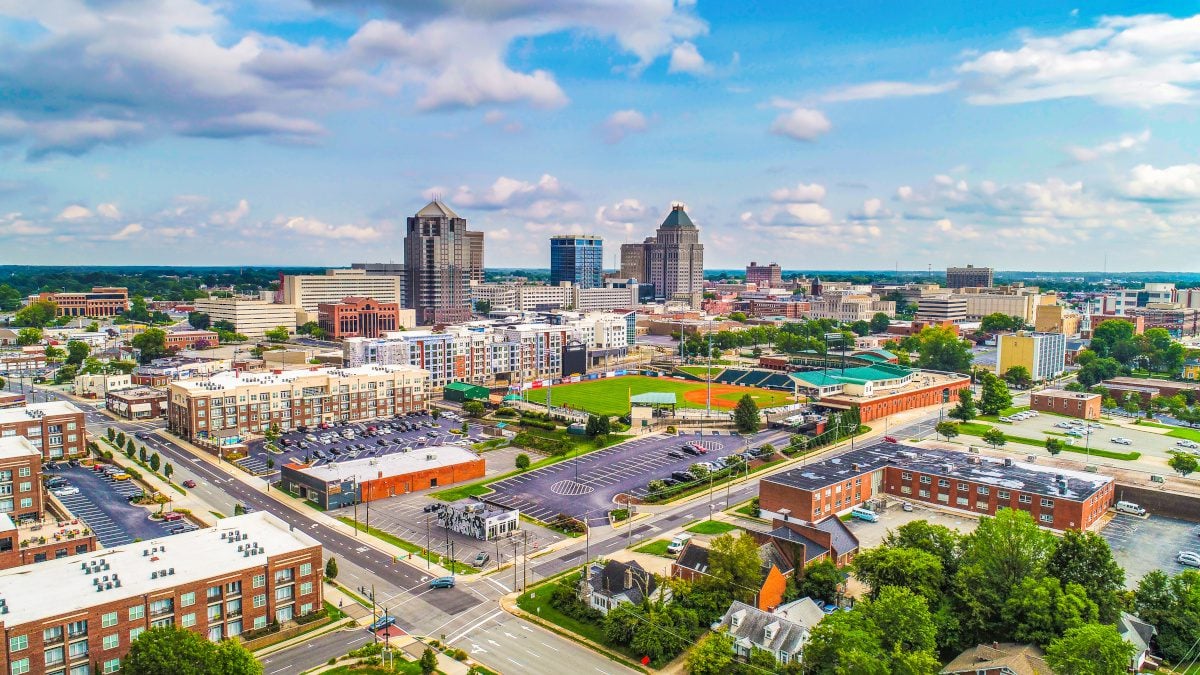
Remote work has fundamentally transformed homebuyer priorities, with dedicated home office space, reliable high-speed internet infrastructure, and flexible room configurations now ranking among the top must-have features for buyers searching for homes for sale in the Greensboro area and beyond. Real estate agents throughout the Triad report that buyers in 2026 prioritize quiet workspaces, video conference-friendly backdrops, and separation between work and living areas over traditional amenities like formal dining rooms and proximity to office districts that dominated buyer preferences just five years ago.
The shift to remote and hybrid work arrangements accelerated dramatically during 2020 and has permanently altered how families think about their living spaces. What began as temporary work-from-home arrangements evolved into lasting changes in employment patterns, with many companies adopting permanent flexible work policies that free employees from daily commutes to downtown offices. This transformation has created ripple effects throughout the real estate market, particularly in suburban and semi-rural communities like Summerfield, Oak Ridge, and the greater Greensboro area, where buyers can find more space and value than urban cores offer.
What Home Features Matter Most to Remote Workers?
Remote workers prioritize functional workspace features that support productive work-from-home environments, transforming which rooms and amenities drive purchasing decisions when evaluating homes for sale. The dedicated home office has evolved from a nice-to-have bonus feature to an essential requirement for most buyers with remote work arrangements.
Dedicated Office Space
Separate rooms designated specifically for work purposes top the priority list for remote workers evaluating properties. Buyers want true offices with doors that close, not makeshift desk setups in corners of bedrooms or dining rooms that serve as temporary pandemic solutions. These dedicated spaces allow workers to mentally separate professional responsibilities from home life while providing quiet environments free from household distractions during video conferences and focus-intensive work.
Real estate agents serving Summerfield and Oak Ridge communities report that homes offering separate office rooms or flexible bonus spaces easily convertible to offices receive significantly more interest and sell faster than comparable properties where buyers would need to sacrifice bedrooms or formal dining areas to create workspaces. This preference has increased demand for homes with four or more bedrooms where families can dedicate one room entirely to professional use without reducing sleeping space.
High-Quality Internet Infrastructure
Reliable high-speed internet connectivity has shifted from standard utility to critical infrastructure that can make or break purchasing decisions for remote workers. Buyers now ask real estate agents about internet service providers, connection speeds, and fiber optic availability during initial property inquiries, treating connectivity as importantly as water and electricity access.
Properties in areas with fiber optic internet access or multiple high-speed provider options command premium prices and generate stronger buyer interest than similar homes in locations where connectivity options remain limited. This consideration particularly affects rural and semi-rural properties where internet infrastructure varies significantly between neighboring communities, making location research essential for remote worker buyers.
Proper Lighting and Windows
Natural light and window placement have become critical considerations for home office spaces as remote workers spend 40-plus hours weekly in these rooms. Buyers evaluate potential office spaces based on window size, orientation, and lighting quality, recognizing that poorly lit rooms create eye strain, reduce productivity, and appear unflattering during video conferences.
South and east-facing windows providing morning and midday natural light rank as ideal office orientations, while rooms with multiple windows allowing cross-ventilation and varied lighting angles throughout the day score higher with buyers than single-window spaces. Real estate agents note that highlighting quality lighting in office spaces and flexible rooms significantly impacts buyer interest during property showings.
Separate Entrance Options
Some remote workers, particularly those running consulting businesses or seeing occasional clients at home, prioritize properties offering separate entrance options that allow professional visitors to access office spaces without walking through main living areas. This feature maintains privacy for family members while creating more professional client meeting environments.
Homes with bonus rooms over garages, finished basement spaces with exterior access, or flexible floor plans allowing home office placement near front entries appeal strongly to this buyer segment. Homebuilders in growing Triad communities increasingly incorporate these layouts, recognizing evolving buyer preferences driven by remote work trends.
How Has Remote Work Changed Location Preferences?
The freedom to work from anywhere has dramatically shifted where buyers want to live, reducing the tyranny of commute times that previously locked workers into expensive urban and close-in suburban neighborhoods within reasonable driving distance of office districts.
Distance From Urban Centers
Remote workers show increased willingness to purchase homes in communities like Summerfield, Oak Ridge, and Stokesdale that offer more space, newer construction, and better value than urban Greensboro properties, because daily commutes no longer constrain their location choices. Buyers who previously required 20 to 30 minute maximum commutes to downtown offices now consider properties 45 minutes to an hour from urban centers, dramatically expanding their search areas and budget options.
This shift has accelerated growth in Triad suburban and exurban communities where homebuilders can offer larger lots, more square footage, and newer construction at price points comparable to smaller, older homes closer to traditional employment centers. Real estate agents report that the question "How far is the commute to downtown?" has been largely replaced by "How often would I need to drive to the office?" as buyers focus on occasional trips rather than daily drives.
Neighborhood Amenities Priority Shifts
With less time spent commuting and more time spent at home, remote workers prioritize neighborhood amenities they'll actually use regularly over proximity to workplace-adjacent conveniences like downtown restaurants and entertainment districts they visited after work.
Walking trails, neighborhood parks, community pools, and recreational facilities that families can enjoy during work breaks, after work hours, and on weekends have increased in importance. Buyers also show stronger interest in communities with quality local coffee shops, casual dining options, and small-town character that provide variety without requiring drives into urban centers for every outing.
The Greensboro area's combination of suburban neighborhoods with strong amenities and nearby access to larger city resources when desired positions the region well for attracting remote worker homebuyers seeking balance between space, value, and convenience.
School District Considerations
While school quality has always influenced homebuying decisions for families with children, remote work has strengthened this factor's importance because parents no longer need to trade off school district quality against commute convenience to workplace locations.
Parents working remotely can prioritize top-performing school districts without the compromise of accepting longer commutes that previously made some excellent school districts impractical choices. This shift has increased competition for homes for sale in highly-rated school districts throughout the Triad, as remote workers face fewer location constraints limiting their options.
What Room Configuration Changes Are Buyers Requesting?
The traditional home layout optimized for evening and weekend living no longer serves the needs of families spending significantly more time at home throughout workdays, driving demand for flexible floor plans and different room prioritization.
Flex Spaces Over Formal Dining
Formal dining rooms that families used only for holiday meals and special occasions have fallen dramatically in buyer priority rankings, replaced by demand for flexible spaces convertible between home office, playroom, craft room, or casual dining depending on family needs and life stages.
Real estate agents throughout the Greensboro area report that buyers frequently dismiss properties with traditional formal dining rooms and no dedicated office space, while showing strong interest in homes offering bonus rooms, loft spaces, or flexible areas adaptable to changing work and family requirements. This shift has influenced homebuilders to reduce formal dining room inclusion in new construction while emphasizing multi-purpose flex spaces in floor plan designs.
Open Concept Considerations
While open concept floor plans dominated buyer preferences for years, remote work has created some pullback from completely open layouts where household noise travels freely into work areas during video conferences and focused work time.
Buyers now seek balance between desired open living spaces for family interaction and some separation that allows work-from-home family members to conduct business without constant background noise from kitchens, living rooms, and children's activities. Homes offering semi-open layouts with strategic walls, pocket doors, or thoughtful room placement that provides both connection and separation appeal strongly to remote worker families.
Multiple Office Solutions
Dual-income households where both partners work remotely require properties accommodating two separate office spaces, significantly impacting which homes meet these buyers' needs. Couples don't want to share office space or take video conferences in the same room, creating demand for homes with multiple rooms suitable for office conversion.
Properties offering four-plus bedrooms, finished basement spaces, bonus rooms over garages, or flex loft areas provide the multiple workspace options these buyers need. Real estate agents note that highlighting a home's multiple potential office configurations significantly impacts appeal for dual-remote-worker couples searching for their next property.
How Does Home Size and Layout Affect Remote Worker Decisions?
Square footage priorities and spatial relationships have shifted as buyers evaluate how they'll actually use their homes during 40-plus hour work weeks spent inside these spaces rather than brief evening and weekend intervals.
Increased Square Footage Demand
Remote workers show increased demand for larger homes providing adequate space for dedicated offices, separation between work and living areas, and room for families to spread out during simultaneous work and school-at-home situations without constant conflict over space use.
The average square footage of homes purchased by remote workers exceeds that of traditional commuter buyers by 15 to 20 percent as families prioritize having sufficient room for multiple functions over the space minimization that made sense when everyone left for work and school each morning.
Storage and Organization Systems
With more time spent at home and work materials, supplies, and equipment residing permanently in living spaces, buyers place higher value on built-in storage solutions, organized closet systems, and dedicated spaces for work supplies and business equipment.
Homes offering walk-in closets in office spaces, basement storage areas, garage organization systems, and thoughtful built-in storage throughout appeal to remote workers who need to maintain professional work environments without clutter overflow into family living spaces.
Outdoor Workspace Interest
Some remote workers prioritize properties offering outdoor workspace potential through covered patios, screened porches, or peaceful backyard settings where they can take video calls, conduct phone meetings, or work on laptops in pleasant weather, recognizing the mental health benefits of varying work locations within their property.
Homes in quiet neighborhoods with mature landscaping, privacy screening, and usable outdoor living spaces receive premium interest from remote workers seeking variety in their daily work environments and mental health benefits from nature access during work hours.
What Technology Infrastructure Do Remote Workers Require?
Beyond basic internet connectivity, remote workers evaluate homes based on technology infrastructure supporting professional work requirements and modern smart home integration.
Electrical Capacity and Outlets
Adequate electrical capacity and strategically placed outlets have increased in importance as remote workers run multiple computers, monitors, printers, charging stations, and other equipment throughout workdays. Buyers evaluate potential office spaces based on outlet quantity and placement, preferring rooms with multiple circuits, preventing breaker trips during high-use periods.
Older homes with limited electrical infrastructure may require updates to support modern remote work equipment demands, a consideration that can affect purchasing decisions and negotiation points during home inspections.
Cellular Signal Strength
Reliable cellular signal strength matters more than before as remote workers use smartphones for work calls, mobile hotspot backup internet, and constant connectivity throughout their properties. Homes in areas with weak cellular reception face buyer resistance even when wired internet options are excellent, because workers need connectivity flexibility throughout their homes and yards.
Smart Home Integration
Remote workers show increased interest in homes offering smart home infrastructure, including programmable thermostats, smart lighting systems, video doorbells, and security cameras that can be monitored remotely during work hours. The ability to manage home systems during work breaks, monitor package deliveries, and adjust environmental conditions from office spaces appeals to buyers spending most days working from home.
How Are Real Estate Agents Adapting to Remote Worker Buyers?
Real estate agents serving the Greensboro, Summerfield, and Oak Ridge markets have adapted their approach to address remote worker priorities and effectively market properties to this growing buyer segment.
Highlighting Work-From-Home Features
Progressive agents now specifically call out home office potential, internet connectivity options, and flexible workspace configurations in property descriptions and marketing materials rather than assuming buyers will identify these features themselves. Including photos of staged home offices, noting square footage of potential workspace rooms, and researching available internet providers for listings helps remote worker buyers quickly identify suitable properties.
Virtual Tour Quality
High-quality virtual tours, allowing remote buyers to thoroughly evaluate properties before in-person visits, have become essential tools for agents serving buyers who may be relocating from other regions, specifically because remote work freed them from location constraints. Remote workers often conduct extensive online research before visiting properties in person, making comprehensive virtual presentations critical for capturing buyer interest.
Understanding Remote Work Needs
Top real estate agents invest time understanding different remote work situations and asking buyers specific questions about their work-from-home requirements during initial consultations. Questions about number of remote workers in the household, video conference frequency, client meeting needs, and technical requirements help agents identify truly suitable properties rather than showing homes that check general boxes but don't meet specific work-from-home functionality needs.
What Future Trends Should Homebuyers and Sellers Anticipate?
Remote work's impact on real estate markets continues evolving as companies finalize long-term work arrangement policies and families better understand their actual work-from-home needs after several years of experience.
Continued Suburban Growth
Suburban and exurban communities throughout the Triad, including Summerfield, Oak Ridge, and Stokesdale, will likely experience continued growth as remote workers prioritize space, value, and quality of life over urban proximity that mattered more when daily commutes constrained location choices. Homebuilders focusing on these growth areas with floor plans addressing remote work needs position themselves well for sustained demand.
Home Office Standard Feature
Just as master suite bathrooms and walk-in closets evolved from luxury upgrades to standard expectations in quality homes, dedicated home offices are transitioning to baseline expectation for modern homes rather than premium feature. Homes built or renovated without designated office spaces may face competitive disadvantages as remote work permanently alters buyer expectations.
Resale Value Considerations
Homeowners planning to sell within five to ten years should consider how home office potential and work-from-home functionality affects future resale value and buyer appeal. Properties offering strong remote work features will likely command premium prices and sell faster than comparable homes requiring buyers to compromise on workspace functionality.
Frequently Asked Questions About Remote Work and Home Buying
What's the most important feature for remote workers buying homes?
Dedicated office space with a door that closes ranks as the single most critical feature for remote workers, outweighing nearly all traditional amenities. Buyers need quiet, professional spaces separated from household activities for video conferences and focused work, not makeshift desk setups in bedrooms or living areas.
Do remote workers pay more for homes in good school districts?
Remote workers often show increased willingness to pay premiums for top school districts because they no longer need to trade off school quality against commute convenience to office locations. This flexibility has intensified competition for homes in highly-rated school districts throughout the Greensboro area.
How important is internet speed for remote worker homebuyers?
Internet connectivity ranks as critical infrastructure on par with water and electricity for remote workers. Properties in areas with fiber optic access or multiple high-speed providers command premium prices, while homes in locations with limited connectivity options face significant buyer resistance regardless of other features.
Are formal dining rooms still valuable with remote work trends?
Formal dining room desirability has declined significantly as buyers prioritize flexible spaces convertible to home offices, playrooms, or multi-purpose areas over rooms used only for occasional holiday meals. Real estate agents report this shift has materially impacted buyer preferences throughout the Triad.
Should sellers convert dining rooms to offices before listing?
Sellers should consult experienced real estate agents about their specific markets and target buyer demographics before making conversions. In some cases, staging a flexible room as a home office proves more effective than permanent conversion, maintaining appeal for buyers with varied needs and preferences.
How has remote work affected home prices in suburban areas?
Remote work has increased demand for suburban and exurban properties in communities like Summerfield and Oak Ridge, creating upward pressure on prices in these areas as buyers prioritize space and value over urban proximity. Properties offering strong remote work features particularly benefit from this trend.
Do remote workers prefer new construction or existing homes?
Remote workers show no inherent preference for new versus existing homes, but they heavily favor properties offering features supporting work-from-home needs, regardless of home age. Existing homes with dedicated office spaces and strong internet infrastructure compete effectively against new construction lacking these features.
What questions should remote workers ask real estate agents?
Remote workers should ask agents about internet service providers and speeds available at properties, request room dimensions for potential office spaces, inquire about neighborhood noise levels during business hours, and discuss how properties accommodate multiple simultaneous remote workers if applicable.
Navigate Remote Work Real Estate Trends With Expert Guidance
Remote work has permanently transformed homebuyer priorities and real estate market dynamics throughout the Greensboro area and beyond. Understanding how these shifts affect property values, buyer competition, and long-term resale potential helps both buyers and sellers make informed decisions in this evolving market landscape.
Smith Marketing's experienced team understands how remote work trends are reshaping what buyers want in homes throughout Summerfield, Oak Ridge, Greensboro, and surrounding Triad communities. With deep knowledge of local neighborhoods, internet infrastructure availability, school districts, and homes for sale offering strong work-from-home features, their real estate agents help buyers find properties perfectly suited to remote work lifestyles while assisting sellers position their homes to appeal to this growing buyer segment.
Whether you're a remote worker searching for your ideal home with dedicated office space and modern connectivity, or a seller wanting to maximize your property's appeal to remote worker buyers, contact Smith Marketing today. Their local expertise and understanding of evolving buyer preferences will help you achieve your real estate goals in this transformed market.