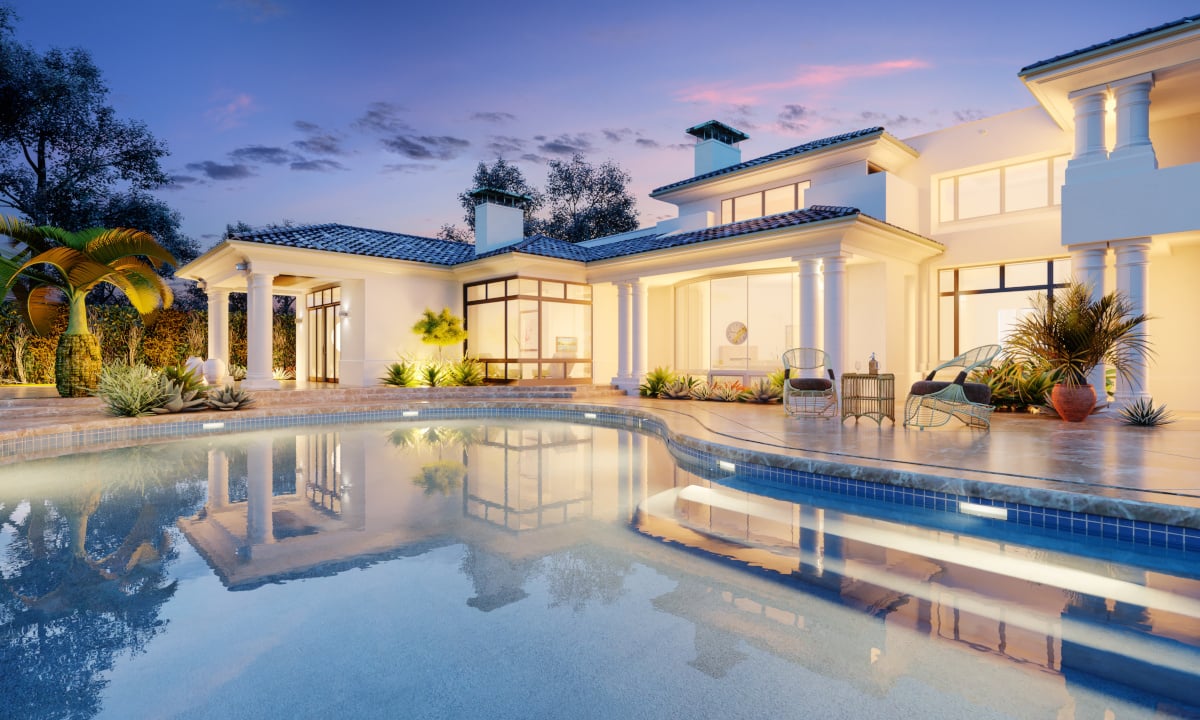
Buyers scrolling through all the Greensboro homes for sale hoping to find a dream home often slow down a little longer on the listings with a pool in the backyard. On a hot summer day, few things sound better than stepping into a pool without ever leaving home, and that vision is part of what draws so many buyers toward a property with one already in place. But a pool is not just a lifestyle upgrade sitting in the backyard. It is a piece of mechanical equipment, a maintenance commitment, and a factor that shapes resale value long after the first summer of ownership has passed.
Quick Answer: Is a Home With a Pool a Good Purchase in Greensboro?
A home with a pool can be a strong purchase for buyers who will genuinely use it, budget for ongoing upkeep, and confirm the pool's equipment and structure are in sound condition before closing. For buyers who will rarely use it or want to minimize maintenance, a pool can turn into an expense without a matching payoff.
What Should Buyers Weigh Before Making an Offer on a Home With a Pool?
Buyers should weigh how often the household will realistically use the pool against the ongoing costs of chemicals, equipment repair, and seasonal opening and closing before deciding a pool is worth paying for. A pool that gets used every weekend from May through September earns its cost differently than one that sits mostly untouched after the first year, and that usage pattern is worth being honest about before writing an offer.
The decision usually comes down to four questions:
● How often will the household actually swim, and during which months?
● Does the budget comfortably absorb a few hundred dollars a month in season for chemicals, cleaning, and minor repairs?
● Are there young children in the home, and if so, is the fencing and gate setup already compliant with safety standards?
● Is the pool's equipment recent enough to avoid a large replacement bill in the first few years of ownership?
Answering these honestly before touring homes with a pool saves buyers from falling for the visual appeal of blue water on a showing day and then discovering the real commitment after closing.
What Are the Real Benefits of Owning a Pool in Greensboro?
A backyard pool offers direct, everyday recreation value along with a strong draw for hosting family and friends during the warmer months of the year. Two benefits show up consistently for pool owners in this market.
● Relaxation and recreation. A backyard pool gives a household the ability to cool off, exercise, and spend unstructured time together all summer long, without planning a trip to a public pool or a lake. For many buyers, the downsides of ownership are far outweighed by how much daily use and enjoyment the pool delivers.
● Entertaining and hosting. A pool naturally turns a home into a gathering spot during warm months. Summer cookouts, birthday parties, and casual weekend hangouts tend to center around the water, which is part of why many families see the pool as an extension of their living space rather than a separate expense.
What Are the Real Costs and Responsibilities That Come With a Pool?
Owning a pool comes with recurring maintenance tasks and safety obligations that do not pause just because a homeowner gets busy or the season winds down. Two categories of responsibility matter most.
● Ongoing maintenance. A pool requires regular cleaning, water testing, chemical balancing, and equipment upkeep, whether a homeowner does that work personally or pays a service to handle it. Skipping a few weeks of maintenance rarely causes an immediate problem, but it compounds. Algae blooms, cloudy water, and pump strain are the most common results of maintenance that gets pushed off during a busy stretch of the summer.
● Safety considerations. A pool presents a real safety risk that cannot be treated casually, particularly in a household with young children or frequent young visitors. Proper fencing, self-latching gates, pool covers, and alarms need to be in place and checked regularly, not installed once and forgotten.
Experienced agents see the same pattern repeatedly: buyers underestimate maintenance in the excitement of a showing, then get an accurate sense of the real time and cost commitment only after living with the pool through a full season.
What Do Experienced Agents Look For When a Home Has a Pool?
An experienced agent evaluates a pool's age, equipment condition, and construction type before treating it as a value-adding feature rather than a repair project waiting to happen. A pool that looks beautiful in photos can still be hiding a pump nearing the end of its service life, a liner that needs replacement within a year or two, or a heater that has not run in seasons.
Buyers touring a home with a pool should ask directly how old the pump, filter, heater, and liner or surface finish are, and request maintenance records if the seller has kept them. A seller who cannot answer basic questions about the pool's equipment age is not necessarily hiding something, but it does mean a buyer's inspection should give the pool the same scrutiny as the roof or the HVAC system.
In-Ground vs. Above-Ground Pools: Does the Type Matter for Resale?
In-ground pools generally hold value and buyer appeal better than above-ground pools, since they read as a permanent part of the property rather than a removable feature. An above-ground pool can still deliver plenty of recreational value, but it is viewed differently by most buyers and appraisers, and it is far easier for a future owner to remove if they decide they do not want it. Gunite and concrete pools tend to last the longest with proper care, while vinyl liner pools cost less upfront but require liner replacement on a predictable cycle, typically every seven to fifteen years depending on water chemistry and climate exposure.
How Does a Pool Affect Home Value and Resale in Greensboro?
Homes with a well-maintained pool generally appraise and sell for more than comparable homes without one in this market, though the size of that premium depends heavily on the pool's condition and the price point of the home. In more affordable price ranges, a pool tends to add real value because it stands out as a differentiator. In higher price ranges, where pools are a more common feature among comparable listings, the impact on value is smaller simply because more competing homes already have one.
The trade-off works in the other direction too. A pool can slightly narrow the pool of interested buyers, since some house hunters specifically avoid pool ownership because of the maintenance and liability that comes with it. A neglected pool, one with visible cracks, cloudy water, or outdated equipment, can actively work against a seller rather than add value, since buyers will factor renovation cost into their offer or walk away entirely.
What Should Families With Children Know Before Buying a Home With a Pool?
Families with young children should confirm the pool has compliant fencing, a self-latching gate, and a clear line of sight from inside the home before treating the pool as move-in ready. Most municipalities in North Carolina require a barrier around residential pools, but the specifics of what counts as compliant, fence height, gate mechanisms, and alarm requirements, vary by jurisdiction and are worth confirming with the local building or code enforcement office rather than assuming the existing setup already meets current standards.
A pool cover adds a layer of protection but should never be treated as a substitute for a proper fence and gate. The safest households treat pool safety as a layered system: barrier, supervision, and swim skills, rather than relying on any single safeguard.
How Does Greensboro's Climate Affect Pool Ownership?
Greensboro's humid summers and long swim season give a pool more usable months per year than colder climates, but that same humidity and heavy pollen season also accelerate algae growth and filter strain. A pool in the Piedmont typically needs more frequent shocking and filter cleaning during peak pollen season in the spring and during the hottest, most humid stretches of summer, compared to a pool in a drier climate.
Winterizing matters here too. While the region does not see the deep freezes of colder states, occasional hard freezes still require proper winterization of pipes and equipment to avoid cracked lines or a damaged pump when the pool reopens in spring. Skipping this step is one of the more common and avoidable mistakes new pool owners in this climate make in their first winter.
New Construction or Existing Home: Does It Matter for a Pool Purchase?
Buying a home from home builders with a newly installed pool generally means newer equipment and a full warranty period, while buying an existing home with a pool means the equipment's age and maintenance history become part of the due diligence. Both paths can work well. The difference is simply where the scrutiny needs to go: a new pool needs a clear understanding of what the builder's warranty covers and for how long, while an older pool needs a closer look at equipment age, past repairs, and whether the surface finish or liner is nearing replacement.
How Can Buyers Find the Right Home With a Pool in Greensboro?
The fastest way to narrow down the right home with a pool is working with real estate agents who already understand which pools in the local inventory are well maintained and which come with deferred maintenance. As buyers browse the many Greensboro homes for sale, the listings with a pool can start to look interchangeable from photos alone. An agent who tours the property in person and asks the right questions about equipment age, past repairs, and safety compliance turns a photo-driven decision into an informed one.
Smith Marketing, Inc. has worked in the Greensboro real estate market since 2001 and helps buyers evaluate homes with a pool alongside every other factor that matters in a purchase, from resale considerations to school zones to overall budget fit.
Is a Home With a Pool the Right Choice for a Greensboro Search?
A pool adds genuine lifestyle value for households that will use it consistently and budget for its upkeep, while it adds cost without matching payoff for households that will not. The right decision comes down to being honest about usage, confirming the pool's equipment and structure are sound, and understanding the maintenance and safety obligations before closing rather than after.
Buyers weighing a home with a pool against one without can reach out to Smith Marketing, Inc. to walk through specific listings, ask pointed questions about pool condition, and find a property that fits both lifestyle and long-term value.
Frequently Asked Questions About Buying a Home With a Pool
How much does it cost to maintain a pool each year? Routine maintenance for an average residential pool typically runs a few hundred dollars a month during the swimming season for chemicals, cleaning, and minor upkeep, with additional costs for occasional equipment repairs. Actual costs vary based on pool size, whether a homeowner handles maintenance personally or hires a service, and how well previous owners kept up with the equipment.
Does a pool increase a home's resale value? In most cases, yes, particularly in more affordable price ranges where a pool stands out among comparable listings. The size of the value increase depends on the pool's condition, the local price point, and how common pools already are among similar homes in that price range.
How long does a typical in-ground pool liner last? A vinyl liner typically lasts between seven and fifteen years depending on water chemistry, sun exposure, and maintenance consistency. Gunite and concrete pools do not use a liner in the same way but require periodic resurfacing on a similar long-term cycle.
What should be inspected before buying a home with a pool? A thorough inspection should cover the pump, filter, heater, plumbing, electrical connections, and the structural condition of the pool shell or liner. Buyers should also confirm the fencing and gate setup meets current safety code before treating the pool as move-in ready.
Is an above-ground pool worth less than an in-ground pool? Generally, yes, from a resale and appraisal standpoint. In-ground pools are viewed as a permanent property feature, while above-ground pools are seen as more temporary and easier to remove, which typically translates to a smaller impact on home value.
Do all homes with a pool require a fence in North Carolina? Most municipalities require a compliant barrier around a residential pool, though exact requirements for fence height, gate latches, and alarms vary by local jurisdiction. Confirming current code requirements with the local building or code enforcement office is the most reliable way to verify compliance.
Can a pool make a home harder to sell? It can, particularly if the pool is poorly maintained or if a segment of buyers in that price range specifically wants to avoid pool ownership. A well-maintained pool tends to be a selling point, while a neglected one can work against a listing by raising renovation concerns.
How does pollen season affect pool maintenance in Greensboro? Heavy pollen in the spring can coat the water's surface and clog filters faster than usual, requiring more frequent skimming, filter cleaning, and chemical balancing during that stretch of the season. Staying ahead of pollen buildup early in spring helps prevent a bigger cleanup once summer swimming begins.
Should a pool be closed for winter in the Greensboro area? Yes. Even though the region does not see the extended deep freezes of colder climates, occasional hard freezes can crack pipes or damage equipment that has not been properly winterized. Draining lines to the appropriate level and protecting equipment before the first hard freeze avoids costly repairs in spring.
What financing considerations come with buying a home that already has a pool? Most conventional mortgages treat an existing pool as part of the property's overall appraised value rather than requiring separate financing. Buyers should still budget separately for ongoing maintenance costs, since those are not covered by the mortgage and can catch new pool owners off guard in the first year.